Tracing Funding Pathways to Loyalty Tiers in Real-Time Streamed Card Sessions on Portable Platforms
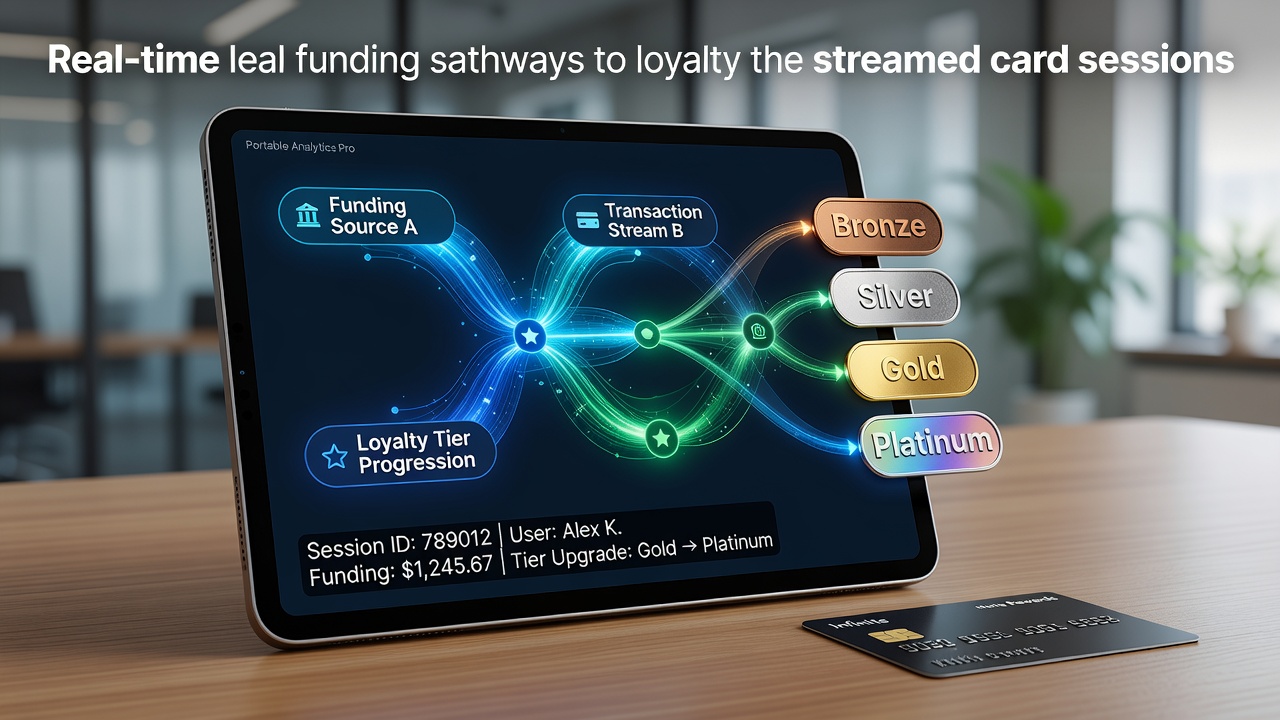
Funding pathways in real-time streamed card sessions on portable platforms operate through integrated payment systems that connect deposits directly to session credits and loyalty tracking modules, and these mechanisms have expanded as mobile gaming infrastructure matured across multiple jurisdictions. Operators process transactions via secure APIs that update player balances instantaneously, allowing card game participants to enter live dealer environments without interruption while their activity feeds into tier progression algorithms. Data from industry monitoring groups shows that portable platforms now handle a substantial share of card session volumes, particularly in markets where regulatory frameworks permit igaming expansion.
Mechanics of Deposit Integration in Streamed Sessions
Deposits initiate through mobile wallets, bank transfers, or card authorizations that route funds into operator-controlled ledgers, and these ledgers synchronize with streaming servers to credit accounts before the next hand or round begins. Real-time protocols ensure that once a transaction clears, the portable device receives confirmation within seconds, enabling seamless transitions into blackjack, poker, or baccarat tables streamed from physical studios. Observers note that latency reductions achieved through edge computing have minimized delays between funding events and gameplay access, which supports continuous engagement across loyalty tracking cycles.
Payment gateways employed by licensed platforms incorporate fraud detection layers that verify each transfer against player profiles, and successful verifications trigger both balance updates and initial loyalty point allocations. In June 2026, transaction volume reports from several North American operators indicated steady growth in mobile card session deposits compared with earlier periods, reflecting broader adoption of instant funding options. Those pathways link deposit size, frequency, and session duration to tier eligibility thresholds that platforms publish in their terms.
Loyalty Tier Advancement Through Card Activity
Loyalty tiers advance when accumulated metrics from streamed card sessions meet predefined criteria, and these metrics include hands played, total wagered amounts, and time spent in active tables. Algorithms running on backend servers calculate points in real time, adjusting player status without requiring manual claims or separate submissions. Portable platforms display tier progress through in-app dashboards that update after each completed round, giving participants immediate visibility into their standing relative to the next level.
Studies of player behavior patterns reveal that consistent deposit activity combined with extended card session participation accelerates tier movement more reliably than sporadic play, and operators structure reward schedules accordingly. For instance, reaching mid-tier status often unlocks enhanced rakeback percentages or priority table access during peak streamed hours. Regulatory filings submitted to bodies such as the Alcohol and Gaming Commission of Ontario document how these tier systems must comply with responsible gaming standards that cap promotional benefits tied to deposit volumes.
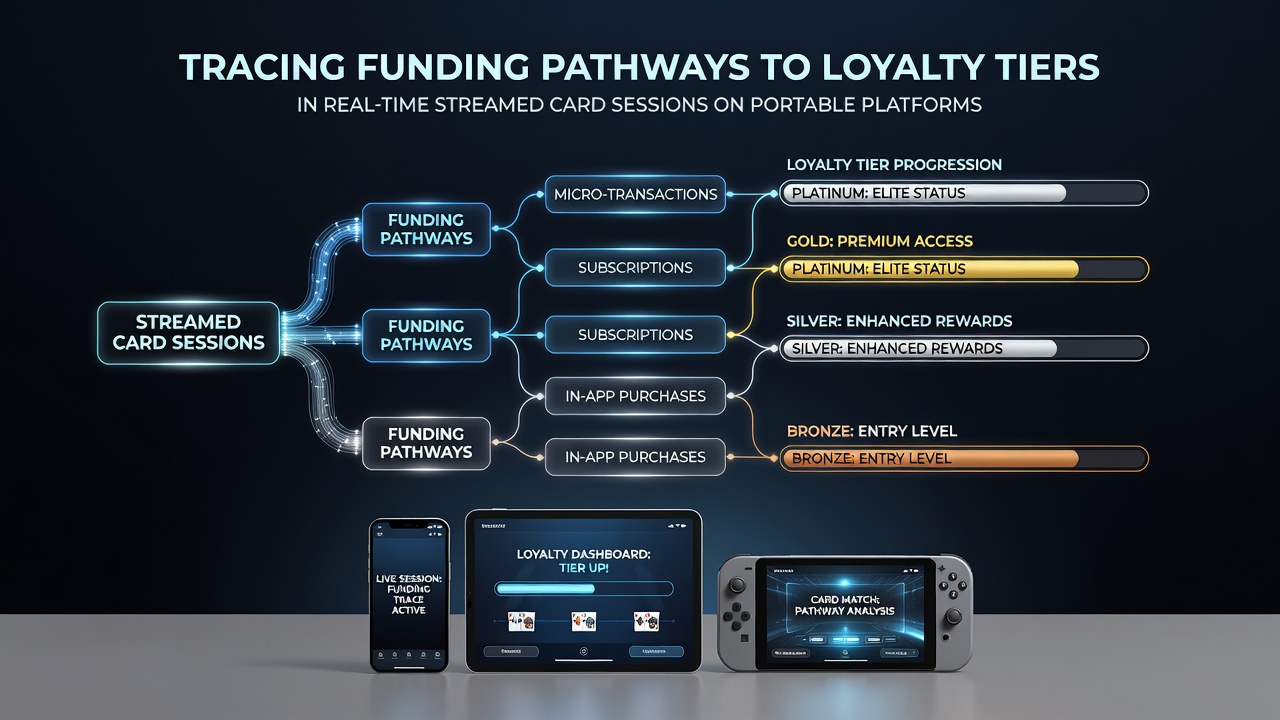
Platform Architecture Supporting Real-Time Tracking
Portable platform architecture relies on cloud-based synchronization services that maintain continuous connections between payment processors, game servers, and loyalty databases, and this architecture permits simultaneous updates across multiple devices registered to a single account. When a player funds a session on one device, the tier status reflects that action on any linked portable hardware within the same ecosystem. Developers integrate WebSocket protocols to push tier notifications directly into active card streams, preserving immersion while delivering status information.
Security standards enforced by regional regulators require encryption of all funding data in transit and at rest, and compliance audits confirm that loyalty calculations remain tamper-resistant. Industry associations such as the American Gaming Association have compiled operational guidelines that address data integrity across mobile igaming environments, and these guidelines influence how operators design their funding-to-tier pipelines.
Regional Variations in Funding and Tier Linkages
Regulatory environments shape the specific linkages between funding and loyalty tiers, with some jurisdictions imposing caps on promotional credits derived from deposits while others permit broader reward structures. In Australian markets, oversight from the Australian Communications and Media Authority requires transparent disclosure of how deposit flows contribute to tier benefits, and similar transparency rules appear in selected European licensing regimes. Canadian provincial frameworks, including those administered by the Alcohol and Gaming Commission of Ontario, mandate that tier advancement remain independent of any single deposit event to prevent inducement concerns.
Comparative analyses published by academic research centers show that platforms operating under stricter deposit-to-reward ratios still achieve high retention through tiered access to exclusive streamed card tables. These differences create varied player experiences depending on geographic access, yet the underlying technical pathways remain consistent in their reliance on real-time data exchange between funding systems and loyalty engines.
Conclusion
Tracing funding pathways to loyalty tiers in real-time streamed card sessions on portable platforms reveals tightly coupled systems where deposits, gameplay metrics, and tier status update through shared digital infrastructure. Continued regulatory scrutiny and technological refinements will likely sustain these connections while maintaining compliance boundaries across operating regions.