Payment Confirmations Triggering Tiered Reward Escalations During Mobile Live Table Sessions and Progressive Reel Sequences
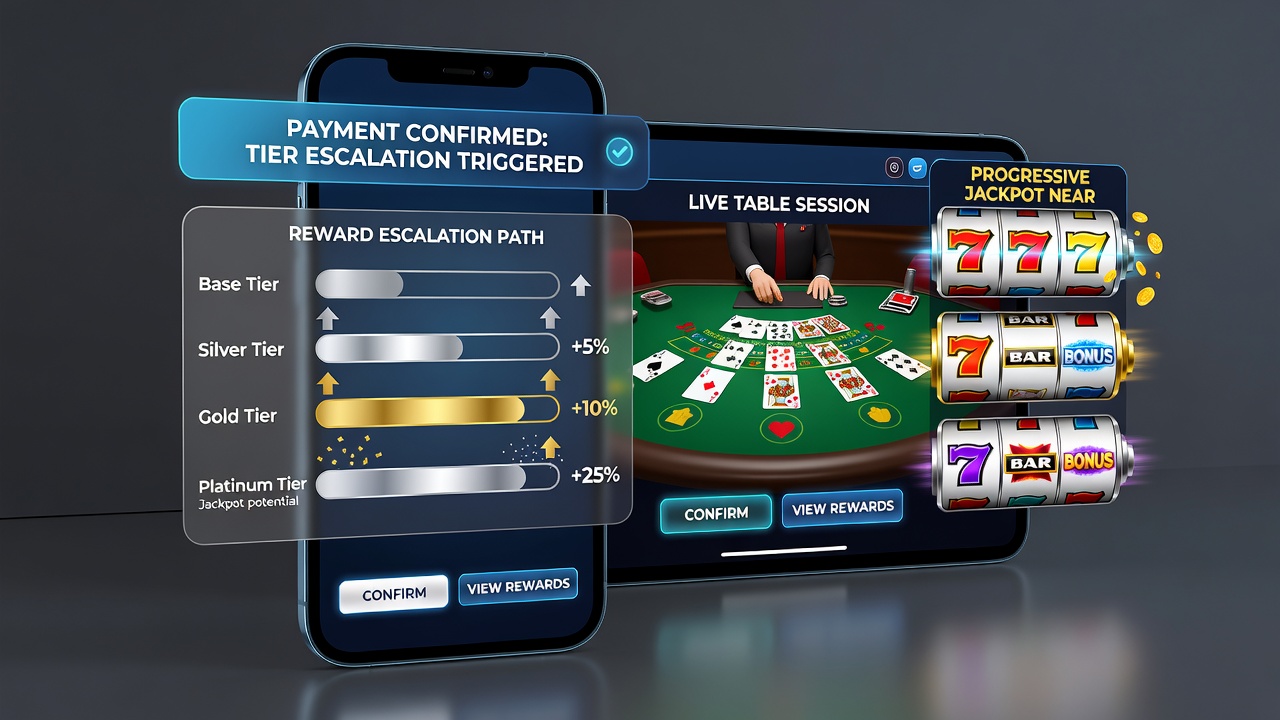 Payment confirmations now serve as direct triggers for reward system updates in mobile gaming platforms, where verified transactions immediately activate tier advancements during ongoing live dealer sessions and progressive slot sequences. Systems process these confirmations through secure APIs that connect banking partners with loyalty databases, allowing real-time adjustments to player status without requiring session interruptions. Observers note that this integration relies on standardized protocols established by payment processors and gaming operators, which ensures consistency across different device types and operating systems.
Mechanics of Confirmation-Based Escalations
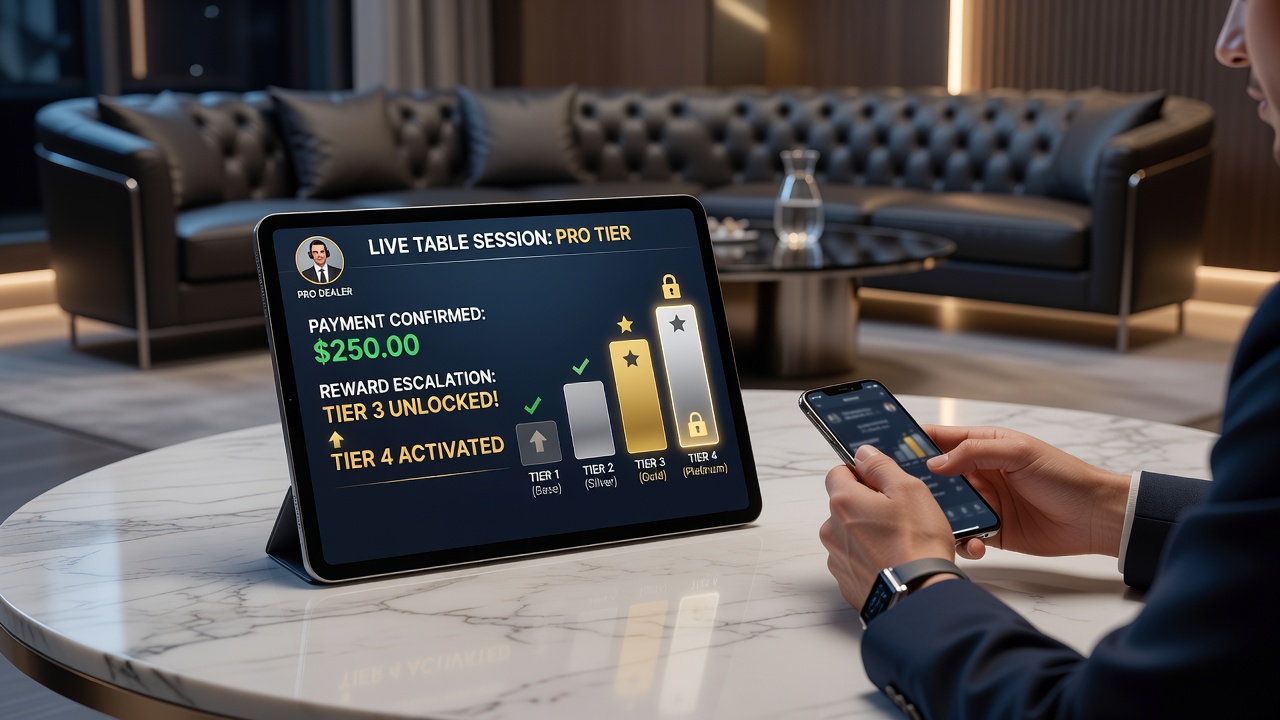
Once a payment clears verification checks, the platform logs the transaction amount and timing to calculate eligibility for higher loyalty tiers. Data from industry reports shows that operators often structure these tiers around cumulative deposit thresholds reached within specific windows, such as weekly or monthly cycles. Players engaged in mobile live table sessions see their status indicators update on-screen within seconds of confirmation, granting access to elevated perks like priority seating at virtual tables or increased betting limits. Progressive reel sequences similarly reflect these changes through accelerated contribution rates toward jackpot pools, where confirmed payments boost multiplier factors tied to the player's current tier level.
Integration Across Live Tables and Reels
Mobile applications maintain separate tracking modules for live dealer interactions and slot progressions, yet both respond to the same payment confirmation signals. In live table environments, this means a player shifting from standard blackjack to high-limit variants can do so mid-session after a deposit processes successfully. Reel-based games apply the escalation by adjusting the progressive contribution percentage, which researchers have linked to higher engagement metrics in platform analytics. Those who've examined user flow patterns observe that seamless updates prevent the need to exit active rounds, preserving momentum in both streamed card games and automated reel spins.
Role of Mobile Platforms in Real-Time Processing
Portable devices facilitate these escalations through optimized network connections that prioritize transaction data packets. Developers incorporate background synchronization features so confirmations register even during high-latency periods common in live streaming. Figures from gaming technology providers indicate that latency reductions below two seconds correlate with smoother tier transitions, minimizing disruptions for participants in extended sessions. This setup supports cross-game movement, where a player might complete a deposit while viewing a roulette stream and then apply the new tier benefits directly to a linked progressive slot interface.
Regulatory Context and July 2026 Developments
According to updates from iGaming Ontario, platforms operating in regulated markets must maintain audit trails for all confirmation-triggered escalations to comply with player protection standards. In July 2026, several jurisdictions expanded requirements for transparent reporting of tier advancement algorithms, prompting operators to publish summary statistics on escalation frequency. The Canadian Gaming Association has documented similar trends, noting that mobile-specific implementations now account for a growing share of verified transactions across provincial frameworks. These measures help standardize how payment data influences reward structures without altering core game probabilities.
Examples from Operational Systems
Take one platform that routes deposits through encrypted channels before feeding confirmation details into its loyalty engine; players in live table sessions receive tier notifications that unlock customized table themes and dealer interactions. Another case involves progressive reel networks where confirmed payments during peak hours accelerate jackpot contributions for mobile users at mid-tier levels. Industry analyses reveal that such mechanisms appear more frequently in markets with established digital payment infrastructures, allowing operators to scale reward pathways efficiently.
Technical Considerations for Operators
Engineers design these systems with fallback protocols that handle confirmation delays by queuing updates until verification completes. Security layers include multi-factor authentication tied to payment methods, which prevents unauthorized escalations while supporting rapid processing. Those studying platform architectures find that integration with third-party verification services reduces error rates in tier calculations, particularly when handling international transactions across mobile networks. The result is a unified framework where live sessions and reel sequences draw from the same payment event stream for consistent reward delivery.
Conclusion
Payment confirmations function as pivotal inputs for tiered reward systems in mobile environments, linking transaction success directly to advancements experienced during live table play and progressive sequences. Data indicates continued refinement of these connections as operators align with evolving regulatory expectations through July 2026 and beyond. Platforms that maintain precise synchronization between payment gateways and game interfaces demonstrate measurable improvements in session continuity and tier accessibility across diverse player activities.