Intersections of Transaction Security and Tiered Incentive Systems Within Handheld Environments Featuring Streamed Dealer Interactions and Progressive Prize Mechanisms

Transaction security protocols intersect with tiered incentive structures in handheld gaming environments that incorporate streamed dealer sessions and progressive prize systems, creating layered operational frameworks that support both player engagement and regulatory compliance. Data from July 2026 shows continued expansion in mobile platforms across multiple jurisdictions, where secure payment processing directly influences how users advance through loyalty tiers while participating in live dealer streams and accumulating contributions to progressive jackpots.
Core Components of Mobile Transaction Security
Secure transaction mechanisms in handheld environments rely on encryption standards, multi-factor authentication, and real-time fraud detection systems that process deposits and withdrawals during active sessions. These systems operate alongside streamed dealer interactions, where players place bets on card tables or roulette wheels hosted by live personnel whose feeds transmit through encrypted channels. Observers note that integration of these security layers with progressive prize mechanisms allows jackpot contributions to register instantly upon confirmed transactions, maintaining integrity across distributed player bases.
Researchers have documented how tokenization of payment data reduces exposure during mobile transfers, particularly when users escalate through incentive tiers that unlock higher betting limits or bonus multipliers. In environments featuring streamed dealers, transaction confirmations occur seamlessly within the interface, enabling uninterrupted participation in games that feed into shared progressive pools. Figures from industry reports reveal that platforms employing advanced security measures experience fewer interruptions in tier progression tied to deposit activity.
Tiered Incentive Structures and Their Linkages
Tiered incentive systems categorize participants based on activity metrics such as deposit volume, session duration, and participation in streamed dealer events, granting escalating rewards that often include enhanced access to progressive prize networks. Security protocols underpin these structures by verifying each transaction before crediting progress toward the next tier, which in turn affects eligibility for larger jackpot shares or exclusive live sessions. Those who have studied these systems indicate that the linkage prevents unauthorized access to incentives while supporting the accumulation of contributions to progressive mechanisms.
Examples from operational platforms demonstrate that players reaching mid-tier status gain priority in support channels that resolve queries related to streamed interactions, accelerating further advancement. Progressive prize mechanisms benefit from this arrangement because verified deposits from tiered users feed directly into jackpot pools without delays that could arise from security flags. Data indicates synchronized updates between security validations and incentive tracking occur within seconds on most handheld systems.
Streamed Dealer Interactions in Secure Frameworks
Streamed dealer interactions introduce real-time elements where security must accommodate live video feeds without compromising transaction verification processes. Handheld devices handle simultaneous data streams for dealer visuals and betting actions, with incentive tiers determining access to higher-resolution feeds or private tables that connect to progressive prizes. Experts have observed that authentication checkpoints embedded in these streams ensure only eligible tier members participate in games contributing to shared jackpots.
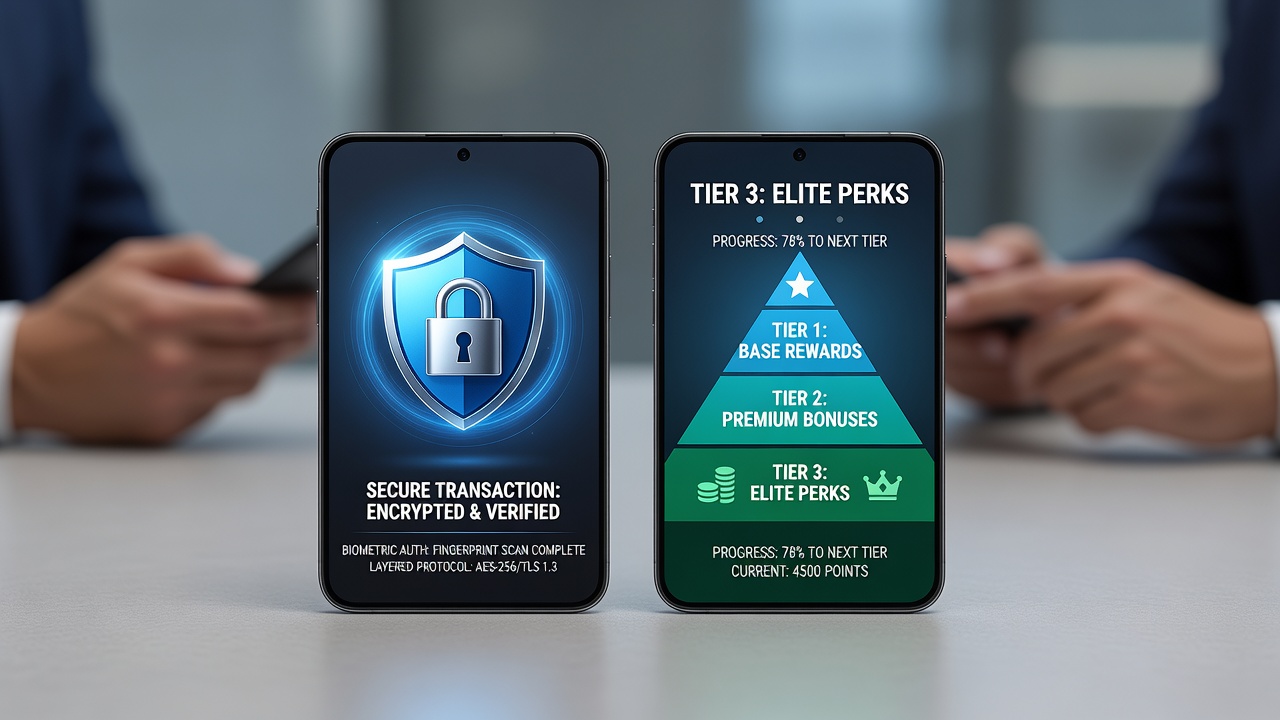
Platforms coordinate these elements so that a deposit processed under secure protocols immediately reflects in both tier status and jackpot eligibility during an active streamed session. Regulatory data from sources such as the American Gaming Association highlights growth in mobile live dealer offerings through mid-2026, underscoring the need for seamless security-incentive integration. Canadian regulatory filings from the same period further show that tier advancements tied to verified transactions support sustained participation in progressive systems.
Progressive Prize Mechanisms and Security Overlaps
Progressive prize mechanisms aggregate contributions across numerous handheld sessions, with security systems validating each increment to prevent manipulation while incentive tiers determine distribution priorities or bonus entries. Researchers discovered that encryption during transfers ensures contributions register accurately even as users move between streamed dealer tables and standard game modes. This overlap creates pathways where higher-tier status, earned through secure and consistent activity, correlates with increased chances in jackpot draws or accelerated prize pool access.
Operational patterns reveal that support response chains activated by tier milestones often address issues arising in live dealer environments, maintaining continuity in progressive contributions. Data shows these intersections reduce friction points that might otherwise delay jackpot funding from mobile users engaged in streamed interactions. In July 2026 updates from various markets, synchronized systems demonstrated measurable improvements in transaction-to-prize timelines.
Operational Examples Across Jurisdictions
One documented case involves a platform where deposit activity during streamed dealer sessions directly advanced users through incentive tiers, unlocking enhanced progressive prize participation under verified security protocols. Another instance from European operators shows how tiered rewards tied to secure mobile transfers increased engagement with live dealer streams feeding into shared jackpots. European Gaming and Betting Association compilations from 2026 reference similar convergences without detailing proprietary mechanics.
These examples illustrate broader trends where security infrastructure enables reliable tracking of incentive progress amid the dynamic elements of streamed interactions and accumulating prizes. Observers note consistent application across regions supports compliance while facilitating user movement through tier levels.
Conclusion
The intersections of transaction security and tiered incentive systems within handheld environments create interdependent processes that sustain streamed dealer interactions and progressive prize mechanisms. Verified transactions underpin tier advancements that influence access and contributions to jackpot pools, with live dealer streams serving as active conduits for these dynamics. Information compiled through 2026 reflects ongoing refinement of these frameworks across diverse regulatory landscapes, emphasizing the role of integrated security in maintaining operational continuity.