Decoding Synchronization Between Verification Protocols and Progressive Networks on Portable Dealer Platforms
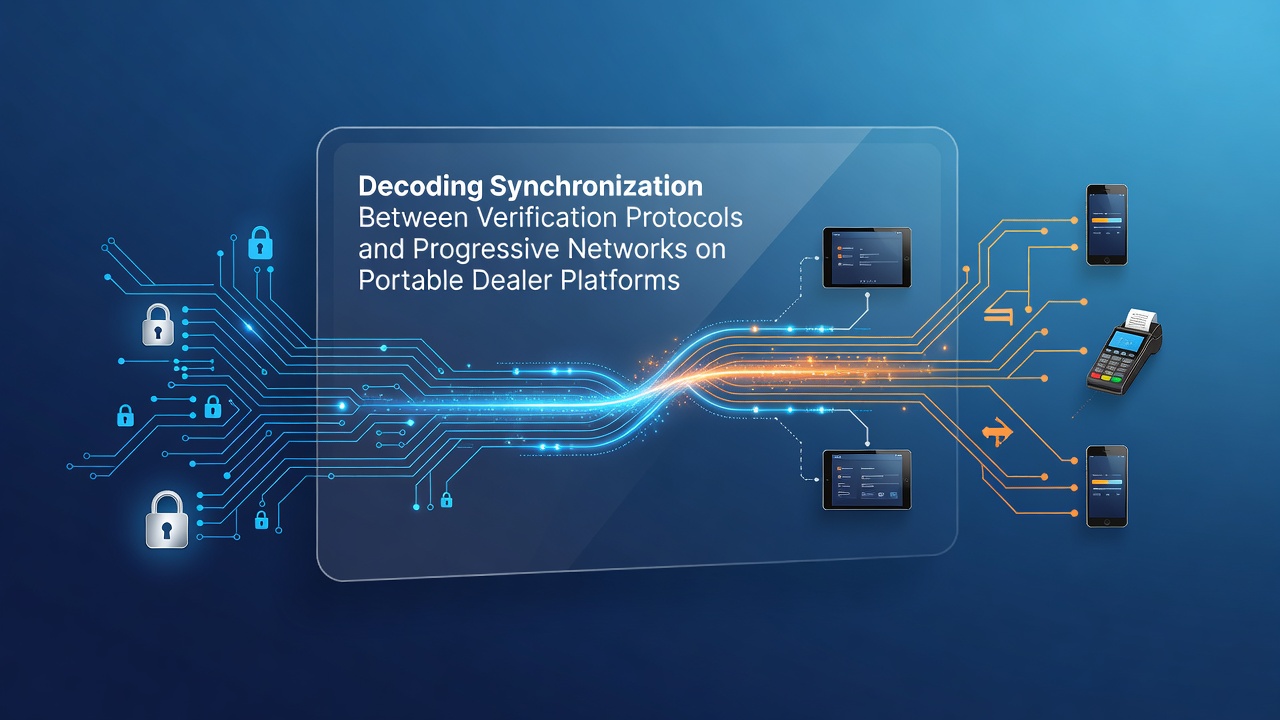
Verification protocols and progressive networks operate through coordinated data exchanges on portable dealer platforms, where mobile live dealer sessions connect users to shared jackpot pools. These systems require continuous alignment between identity checks and jackpot eligibility rules to maintain compliance across jurisdictions. Operators implement API-based handshakes that confirm user status before allowing participation in accumulating prize structures, and this process updates in real time as players move between table games and slot networks on handheld devices.
Core Components of Verification Integration
Verification protocols typically include multi-factor authentication layers combined with regulatory database queries that validate age, location, and account standing. Progressive networks rely on these confirmations to allocate contributions from bets into centralized pools that span multiple operators and regions. Data shows that synchronization occurs through encrypted channels which transmit verification tokens directly to jackpot controllers, preventing unverified entries from affecting prize calculations. Researchers at technical institutes have documented latency reductions when these handshakes complete within 200 milliseconds during peak mobile traffic periods in July 2026.
Platform architectures separate verification modules from jackpot engines yet maintain persistent connections via middleware layers. When a player initiates a live dealer session on a portable device, the system first retrieves stored credentials and cross-references them against current regulatory lists before routing bet data to the progressive ledger. This separation allows independent scaling of each component while preserving the audit trails required by oversight bodies.
Data Flow Mechanisms Across Mobile Environments
Information moves from device sensors through application servers to verification gateways, then onward to progressive network nodes. Location services feed geographic data into compliance checks that determine which jackpot pools remain accessible based on licensing agreements. Transaction logs capture every synchronization event, creating timestamped records that support dispute resolution and regulatory reporting. Industry reports from the Alcohol and Gaming Commission of Ontario indicate that synchronized systems processed over 14 million mobile verification events in the first half of 2026 without interrupting jackpot accumulation cycles.
Edge computing resources on portable dealer platforms handle initial verification locally before forwarding results to central progressive servers. This approach reduces round-trip times for users in areas with variable connectivity while ensuring that jackpot contributions reflect only approved activity. Observers note that packet inspection routines flag anomalies in verification responses that could indicate tampering attempts aimed at jackpot manipulation.

Regulatory and Technical Standards in Practice
Standards developed by the European Gaming and Betting Association outline minimum requirements for data integrity during synchronization events between verification systems and progressive components. These guidelines specify encryption protocols and retry mechanisms that maintain continuity when mobile networks experience brief interruptions. Figures released by the association reveal that platforms adhering to the standards experienced 23 percent fewer jackpot eligibility disputes during 2025 testing phases compared with earlier implementations.
Portable dealer platforms incorporate fallback verification methods such as cached credential checks that activate when primary servers become temporarily unavailable. Progressive networks continue to accept contributions from these sessions while queuing final eligibility confirmations until full synchronization resumes. This dual-path design prevents jackpot pools from stalling during high-volume periods common in live dealer environments.
Challenges in Maintaining Continuous Alignment
Network variability on portable devices introduces timing discrepancies that verification protocols must accommodate through buffered state updates. Progressive networks adjust contribution rates dynamically when verification delays occur, ensuring prize growth remains proportional to verified activity only. Case studies from platform operators demonstrate that implementing predictive caching for verification tokens reduced desynchronization incidents by measurable margins across diverse geographic markets.
Cross-border data transfer rules add complexity because verification records must satisfy multiple regulatory frameworks before progressive network participation is authorized. Automated translation layers convert compliance flags into standardized tokens that jackpot controllers interpret uniformly regardless of originating jurisdiction. Academic papers on distributed gaming systems describe how these translation processes preserve auditability while supporting the scale required by expanding mobile user bases.
Conclusion
Synchronization between verification protocols and progressive networks on portable dealer platforms depends on layered technical controls that exchange status information rapidly and securely. Current implementations draw on established middleware patterns and regulatory frameworks to sustain jackpot integrity across mobile sessions. Continued refinement of these connections supports the operational requirements of live dealer environments where real-time eligibility decisions affect both user experience and prize distribution mechanics.